

A guide to 3 days in the Faroe Islands
Far off the Norwegian coast, surrounded only by the Atlantic Ocean, you find an archipelago of 18 islands unlike anywhere else. As with most destinations, ideally you want plenty of time to explore. However, sometimes it’s better with only a few days than not visiting at all.
Continue reading for my best tips on how to spend 3 days in the Faroe Islands. From planning the trip and where to stay, to how to get around and what to do. If you are lucky enough to have more time available, you will still find most of this information interesting too.
I bounced, I laughed, I sprinted, and I wow’ed! It was just like the first proper spring days in my childhood, when the ground was free of snow and ice, and I was allowed outside without heavy winter boots for the first time in months.
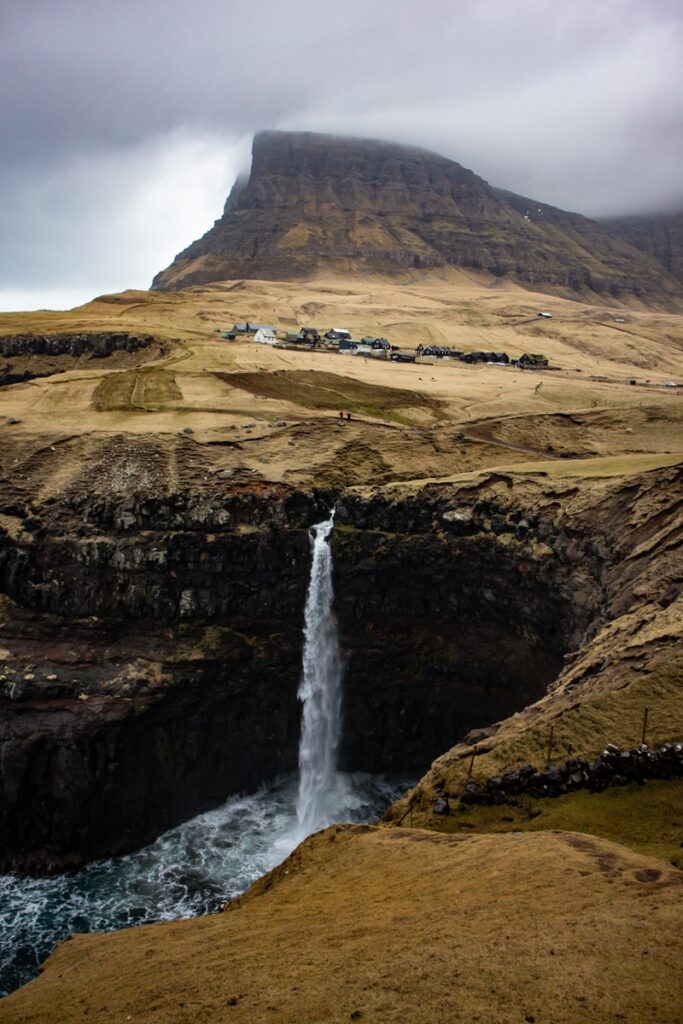
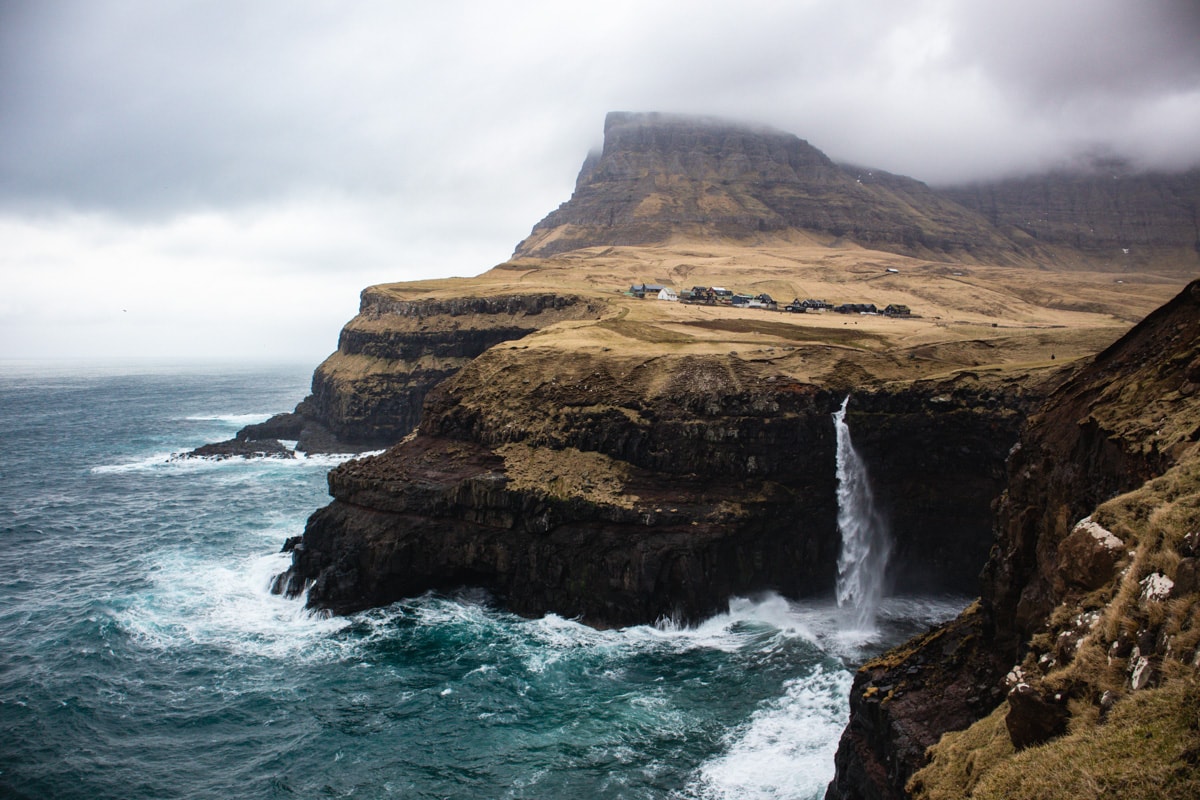
No more than 30 minutes after touching ground on Vágar Airport, I was surrounded by yellowish dry grass with mystical looking mountains on one side and the dark turquoise Atlantic Sea on the other. Rugged-looking sheep welcomed us by continuing to grass. And in the middle of it all was a stunning waterfall cascading 30 metres straight into the sea from a cliff below the tiny village of Gásadalur. Now and then, the strong wind blew the falling water back up. Other times, we heard a large boom before seeing huge gusts of water splashing up as massive waves hit the cliffs.
I was mesmerised. It was exactly what I had imagined the Faroe Island was like. When this happened within the first hour after arrival, what would the next 3 days in the Faroe Islands bring?
Key tips to planning a 3-day visit to the Faroe Islands
First thing first. Do not expect to cover everything the archipelago has to offer with only 3 days in the Faroe Islands. Focus on the three islands Vágar, Streymoy and Eysturoy which are connected by underwater tunnels and bridges. The majority of the main sights are located here anyway, so you will have plenty to do.
To make the most out of your few days there, make sure you have a rental car available. There are public busses there, but not at a frequency that allows sightseeing the way you would want. With your own car, you can stop everywhere you like (which will be many, I promise) and take the scenic routes where possible.
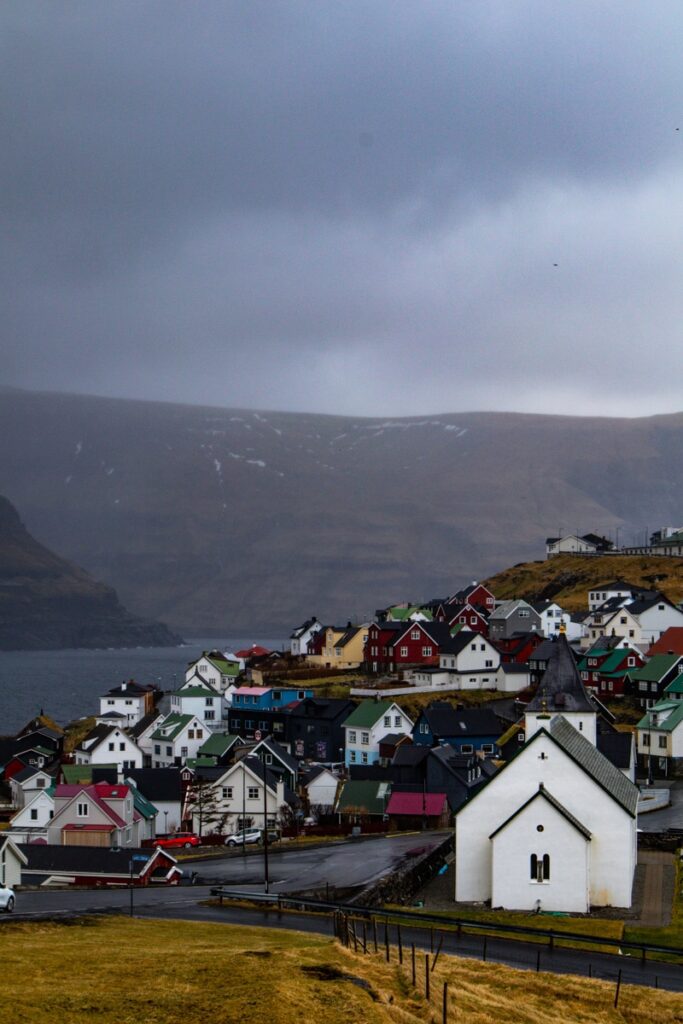
Lastly, when booking accommodation take some time to think through where you want to stay. If indulging in the Faroese famous cuisine is a top priority for you, Tórshavn is your best bet. At least for one of the nights. This is also the capital and where you find most of the hotels. If exploring the landscape and small villages are higher up on your list than food, I would recommend staying elsewhere. Why? Because I found Tórshavn to be a bit of a detour from all the other places we wanted to see.
Why visit the Faroe Islands?
The Faroese is an archipelago of 18 islands with a population of approximately 55 000 people and 70 000 sheep in the middle of the Atlantic Ocean, half-way between Norway and Iceland. It was settled by Irish monks in the 6th century, were later colonized by the Norwegian Vikings in the 9th century. Over centuries, the islands were part of the Kingdom of Norway and later Denmark. In 1948, they gained self-governance within the state of Danish and have since developed a distinct cultural identity.

The name Føroyar (Færøyene in Norwegian) stems from the Norse language and literally means “the sheep islands”. A name that still is spot on considering the amounts of sheep walking freely everywhere.
Although the Faroese got an interesting story, history isn’t why most people visit the islands. People come here for its natural beauty of dramatic landscapes, rugged cliffs, pristine fjords and remote villages. In many ways, it can be compared with Iceland, just more off-the-beaten path. My boyfriend and I had spoken of visiting for years, before seeing the Faroese crime series “Trom” spontaneously made us book our flights.
If this isn’t enough to persuade you, continue reading or just scroll through the article and look at the pictures and you’ll see why you should visit!
What is the best time to visit?
The short answer is all year round. The Faroe Islands got 4 distinct seasons and all of them have their charm. Whatever time of year you plan on visiting, be prepared for all sorts of weather and colder temperatures.
We visited the first week of April in 2023, and while it was certainly more of a spring feeling we experienced an unusual amount of rain. Normally, they say you can expect to get all seasons within an hour – much because of the almost ever-present wind. We, on the other hand, had one full day when it rained cats and dogs.
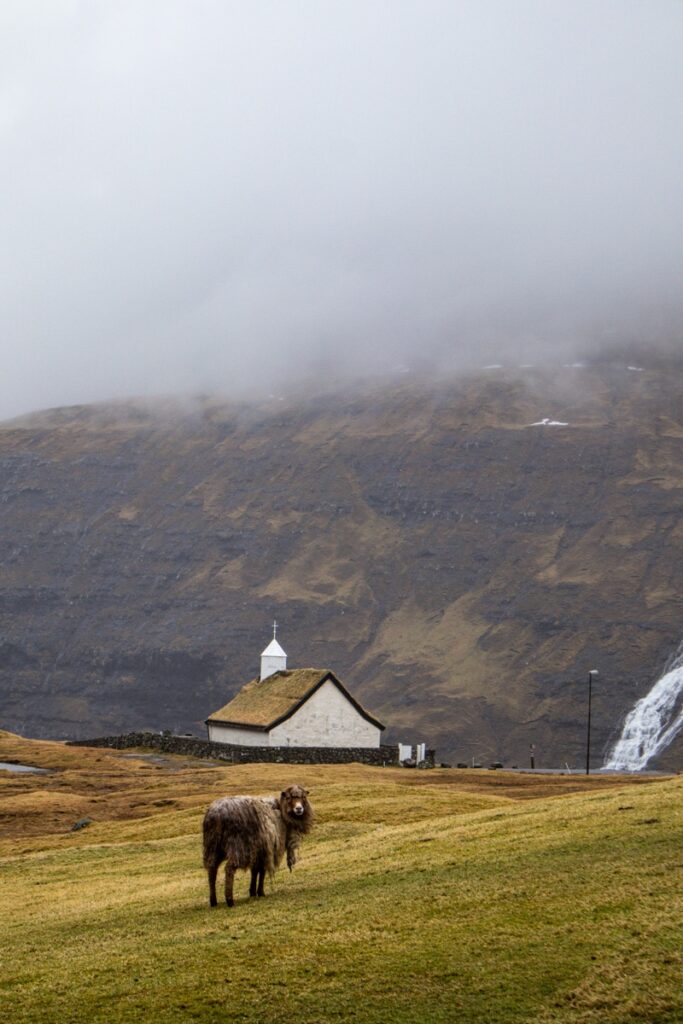
Summers are bright and green, and also the most popular time to visit the islands. I believe it’s quite similar to what the Lofoten islands looks like in summer. You don’t have midnight sun, but you only get a few hours of darkness in the middle of the night. Autumn comes with slightly colder temperatures than summer, and probably also a bit more rain.
In winter you will probably experience snow and you might get lucky to see the Northern Lights. That said, if you are chasing the Aurora – head to Iceland or Northern Norway, Sweden or Finland instead. You won’t have higher chance of seeing the sky’s colour show in the Faroes than where I live in Western Norway. And while the pictures of the Faroes landscape covered in a blanket of snow looks pretty, remember that days are short and you will have less time to explore.
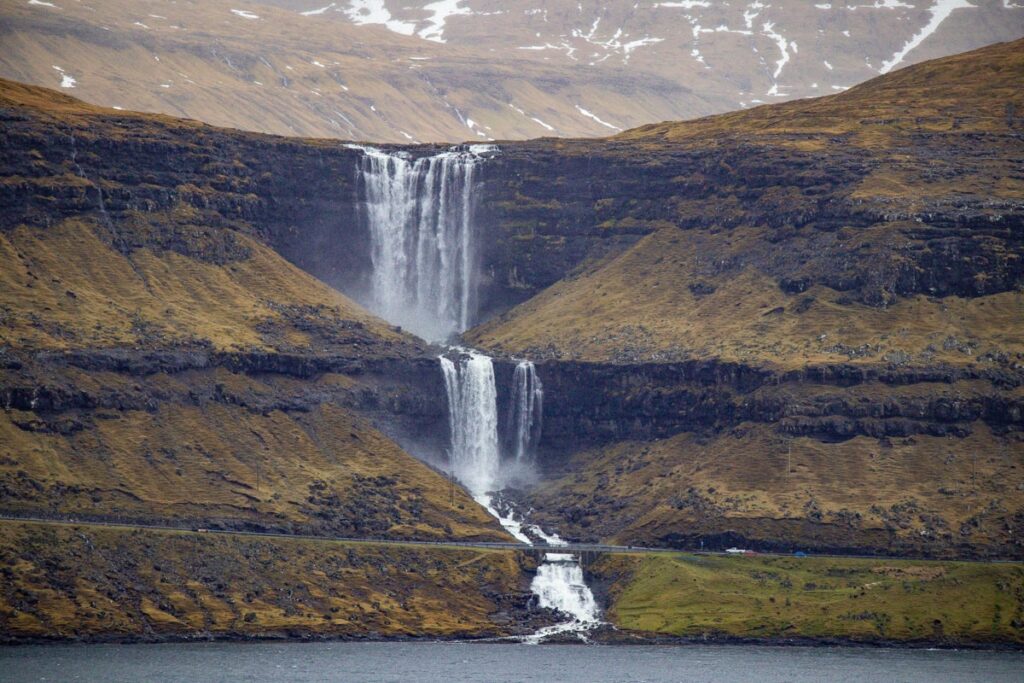
Next time, I want to visit in late spring or early summer before high tourism season. This time of year is bright, the grass is green, wildflowers are blooming, and the puffins have arrived back on shore after spending the winter at sea.
How do you get there?
The easiest way to get to the Faroe Islands is by air, and the only option if you just have 3 days to spare. The other alternative is going by the Smyril Line ferry which has weekly departures between Denmark and Iceland and stops in Tórshavn along the way.
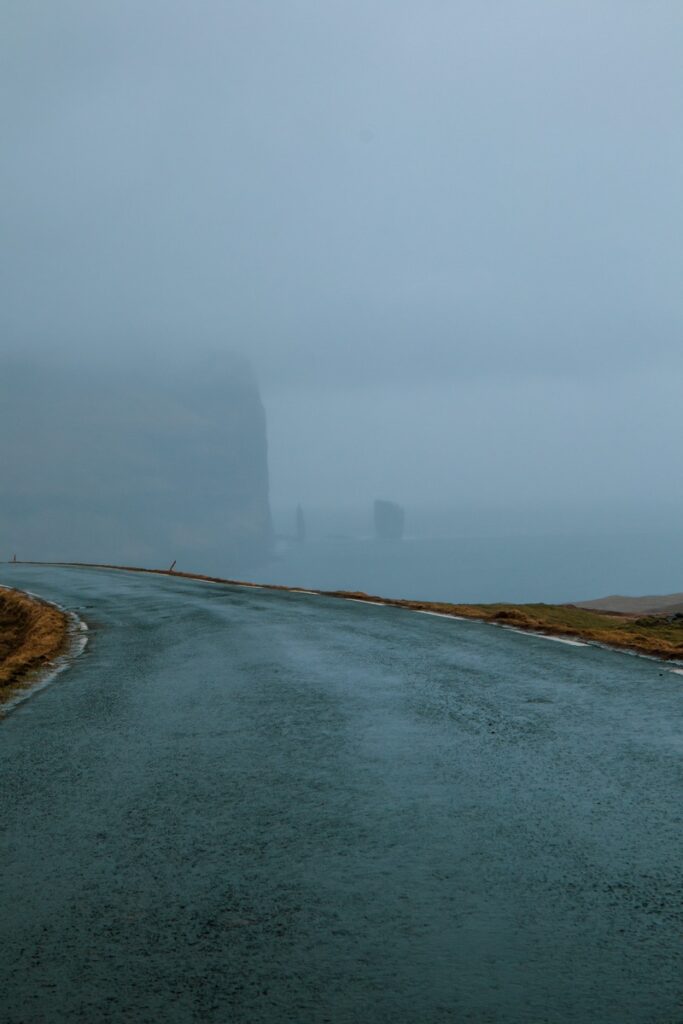
I flew in from Bergen in Norway, but you can also find direct flights from Copenhagen, Edinburgh, Paris, Reykjavik and Oslo. The airport is located on Vágar island, and the experience starts already when approaching the islands. Vágar Airport is one of the smallest airports I have ever set foot in. I’m not joking when I say that within 20 minutes from the plane touching ground, we were in our rental car driving out of the car park. And that included a brief stop in the duty-free shop and picking up our checked-in luggage!
Tips!
If you have rented a cabin or apartment and want something with alcohol to drink after arrival, make sure to purchase it at the airport. Supermarkets in the Faroe Islands do not sell alcoholic beverages. You have to visit one of the six alcohol outlets called Rúsdrekkasøla Landsins with limited opening hours.
Where to stay in the Faroe Islands
As earlier mentioned, we decided not to stay in the city of Tórshavn. Instead, we rented a small cabin in Miðvágur on Vágar, only 10 minutes’ drive from the airport. 10/10 I would do the same again – only with one night in Tórshavn to enjoy its supposedly very good restaurants.
Miðvágur is a rather small coastal village but holds two good supermarkets and a pizza place we didn’t try. The main reason for staying here, was the proximity to some of the sights I wanted to see. Letting us spend the hours after arrival and before departure exploring instead of driving. Our cabin, or more precisely room with ensuite kitchenette and bathroom, at Kristjanshavn was as expected considering the low price. There were some issues with cleaning when we arrived, but it was fixed asap. I would not hesitate to stay there again, so if you are travelling on a budget check it out.
Sea tunnel toll fees:
To get around the archipelago, there is no way to avoiding the sea tunnels. The three tunnels have made travelling between the islands fast and easy in all kinds of weather, but they also cost. The toll fees vary between DKK 100 – 450 for a round trip. With a rental car, the fees will be deducted from the deposit.

Do you rather want some urban vibes, there are a number of good hotels in Tórshavn. Vágar also has an airport hotel in case you want the comfort of a hotel outside of the city. To find accommodation, be it hotel or self-catering cabins and apartments, use your normal booking channels such as AirBnB and Booking.com.
What to pack for 3 days in the Faroe Islands?
As with most 3-day holidays, you don’t need a lot. But there are some essentials you need to pack whatever time of year you choose to visit. First, you need clothes to wear in layers: something warm, something rainproof and definitely something windproof.
Choose outdoor clothes over nicer clothes, and hiking shoes over heels. Do you plan on taking advantage of Tórshavn’s good restaurants, something nice but casual should do.
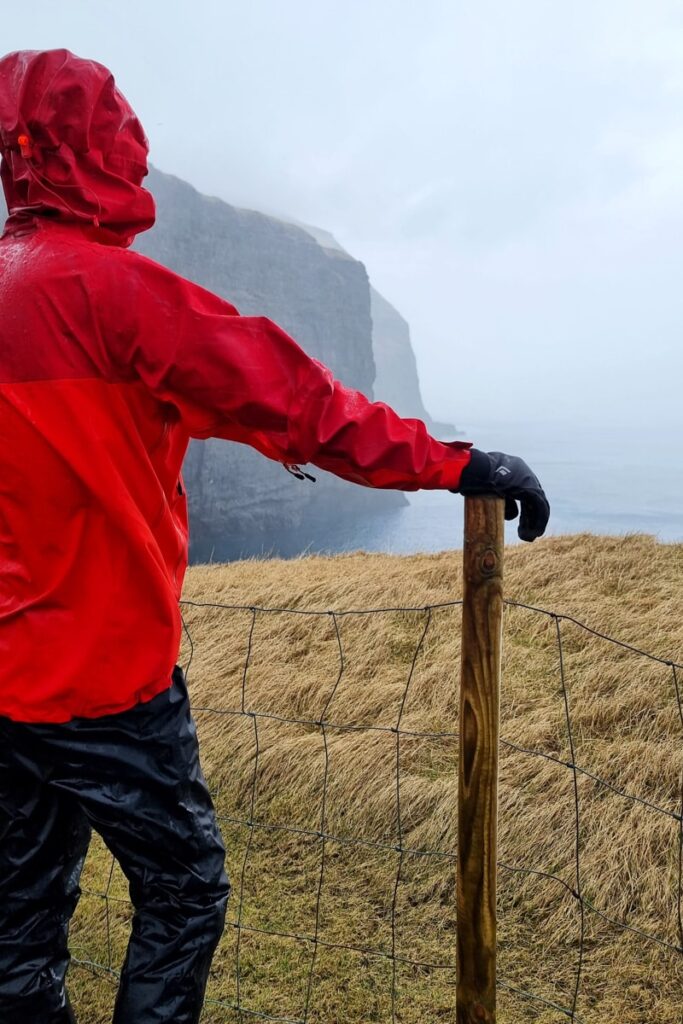
And you! Make sure you bring a camera!
Tips!
Since the Faroe Islands are part of neither the EU nor the EEA, you need to buy a SIM-card to use mobile data – even if you have a European one. If not, it will cost. I bought mine from Maya Mobile and it worked like a charm.
Places you must visit
Because of the short distances and modern under-water tunnels, you can get around to explore quite a lot having three days in the Faroe Islands. But you still don’t have all the time in the world, and I recommend making a list of sites you really want to see before setting off. Saving them in Google maps is also a good idea, as it will make it easier to plan your routes.
Continue reading to find out which places you really must see when going to the Faroes.

Admire Múlafossur Waterfall in Gásadalur
This is the biggest must of them all. I’d almost say Múlafossur is a symbol of the archipelago, and you cannot leave the islands without paying a visit. It’s less than a 20 minutes’ drive from the airport if you manage to drive direct without stopping for photos. And if the weather is decent, I recommend going here directly on arrival like we did. It really is the perfect way to start your holiday!
Park the car at the assigned place in Gásadalur and follow the marked trail to the waterfall viewpoint. After spending some time admiring the brutally beautiful waterfall, hike the circular trail going around the village back to the car park.
Visit the village of Saksun
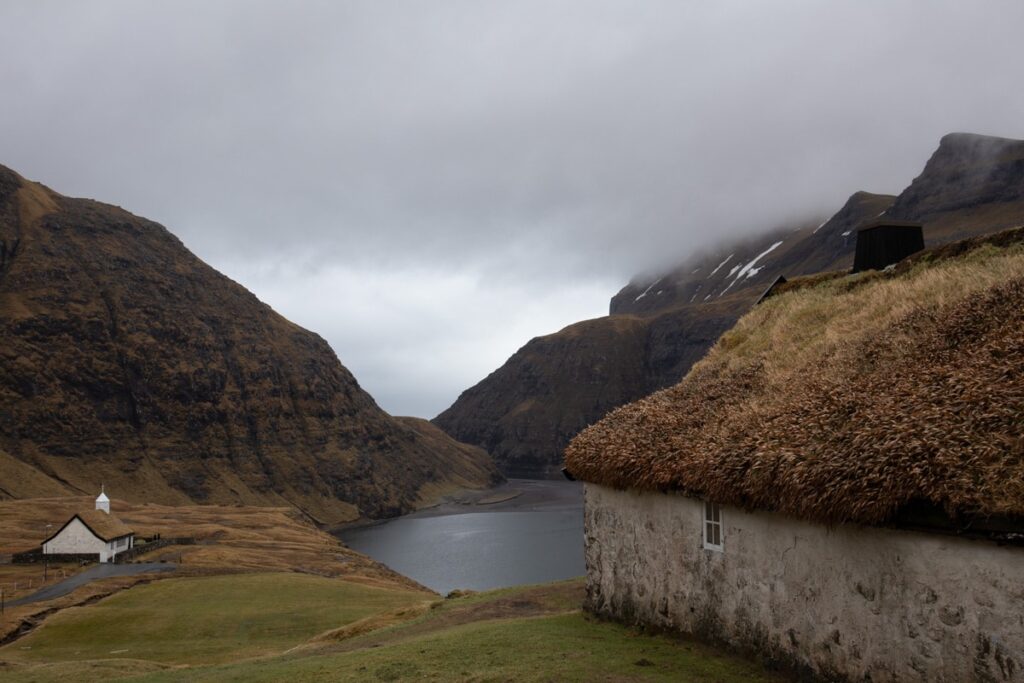
Another must-see, is the remote village Saksun located in the middle of Streymoy island. Start exploring from the car park and make sure to not step on the grass outside of marked trails.
The old king’s farm in Saksun with buildings dating back up to 200 years is an open-air museum in the summer. Only the toilets were open when we visited, but it was nice to walk around and trying to imagine what it was like living here back in the days.
There are two different hikes you can do at Saksun. The short one starts from a different car park than the village itself and goes down to the narrow bay. We didn’t go there but it looked popular among other visitors. The other one, which we hiked for a bit, goes up the hills behind the village and continues all the way to Tjørnuvík on the other side of the mountains. In good weather and with transportation back, I’d really like to do the full hike!

Book a bird watching tour to the Vestmanna cliffs
There are plenty of guided tours to book on the Faroese, but not all of them are available year-round or fit within a limited 3-day itinerary. One tour that are available most days from april to October are the boat trips to the Vestmanna grottoes and bird cliffs. The guide on board will tell you everything there is to know about the birds, the landscape and the way of life on the rugged islands.
The tour starts at Vestmanna twice a day and takes approx. 90 minutes. I recommend waiting to book for as long as possible to see what the weather will be like. We decided not to go as the heavy rain and fog would probably have covered all sights.
Explore Tórshavn
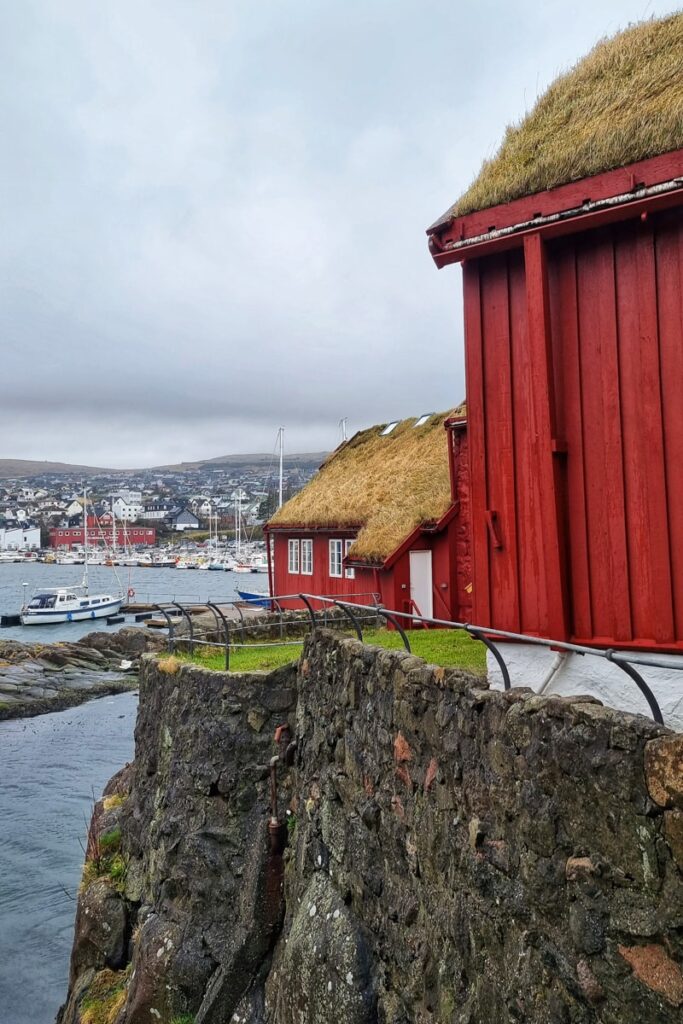
Even if you are not staying here, stopping by the capital Tórshavn is a must. It’s a very walkable city and if you don’t plan on eating here or going into museums, a few hours is enough.
Tórshavn’s main highlight is Tinganes, the oldest part of the city. Since the Viking age till today, Tinganes has been a place of power. The name actually means “the parliament on the small peninsula”. A “ting” was where the Vikings met to discuss important matters, similar to what the parliaments are today.
Walk around the cobble stoned lanes and look at the cute red houses with turf roof. You will see signs for various ministry offices and even the Prime ministers’ office.
If you stay elsewhere on the islands but want to combine sightseeing and dinner in Tórshavn, don’t come too early. Most places we looked at didn’t open before 17:30 – 18:00. Having been outside in the rain all day, we couldn’t be bothered getting even colder while waiting for a place to open and ended up driving back to our cabin instead.

See Risin and Kellingin from Tjørnuvík’s black beach
Tjørnuvík is a picturesque small village located north on Streymoy island. It’s famous for its black sandy beach, which is supposedly good for surfing (you even find a surfing company here), and the direct views towards the two sea stacks called Risin and Kellingin.
The names, Rising and Kellingin, translates to the “Giant and the witch” and stems from an old legend. According to the legend, the giant and the witch was sent from Iceland to bring the Faroe Islands back up north. Being too occupied with their task, they forgot to hide at dawn and ended their days as rocks when the sun rose.
To get a better view, we followed the signposted trail above the village for a bit. This is actually the same path we hiked earlier going from Saksun. In better weather, I bet the pretty beach is a lovely setting for a picnic!

Hike to Trælanípa cliff
This hike is one of the Faroe’s most famous and one that I was really looking forward to. If you were lucky, you already spotted both Trælanípa and the “lake above the ocean” when landing on the Faroes. The hike starts in the hillside above Miðvágur on Vágar island, not far from the airport. The hike itself is rather easy, approx. 7 kilometres return trip, and you should allow 2,5-3 hours in total. There is a car park at the trail start, and you pay 200 DKK per person (+16 yrs).
More than the cliff itself, which name litterally means “The slave’s cliff”, people come here to see lake Leitisvatn. A special optical illusion makes it look like Bøsadalurfossur plunging 30 meters into the ocean from a lake floating in the air above the sea.
Hiking in the Faroe Islands
Unlike for example Norway and Sweden, the Faroe Islands does not allow the right to roam. Meaning all hiking trails are on private property and you should be prepared to pay a fee to walk it. Visiting in April, we only found information about payment on the hike to Trælanípa, this can be different in high season.
Being located only a short drive from our accommodation, we waited till our last evening to check it out. According to the weather forecast, it was finally going to clear up in the afternoon. Ha! It stopped raining, yes, but the fog was another matter… Our hopes for a weather-miracle were not fulfilled, but even though we couldn’t see the lake at all and only heard the roaring waterfall, it was a nice hike. But mind! If you, like us, end up going in heavy fog – be careful around the cliff. You do not want to fall in!
See the Trøllkonufingurin pinnacle
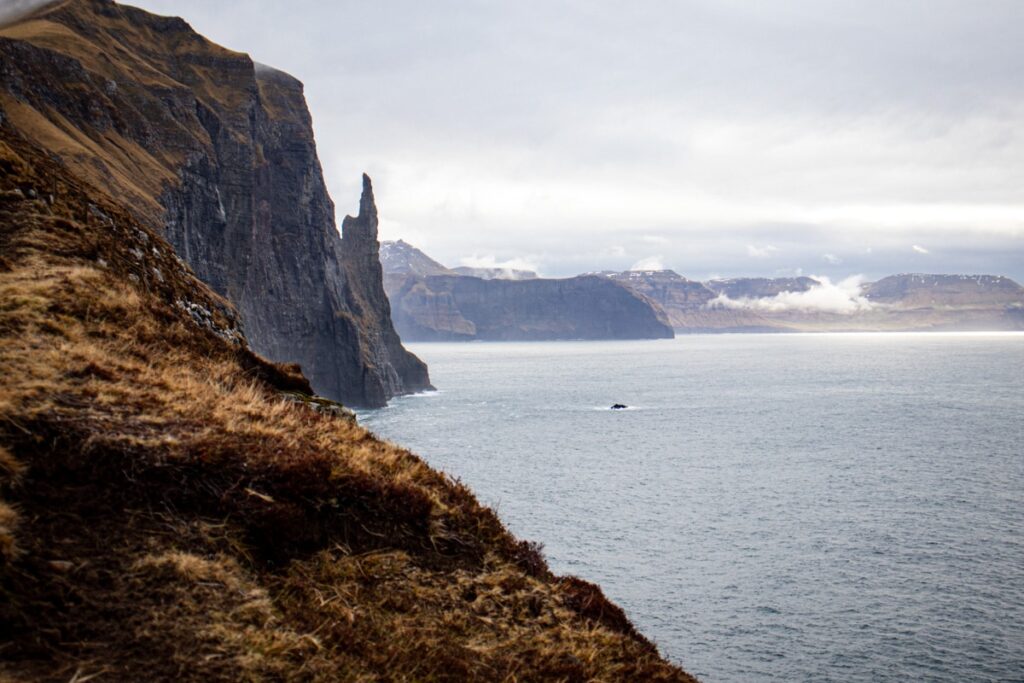
Another sight worth seeing in Vágar island is the sea 313-metre-tall rock pillar called the Witch’s Finger. You find it in Sandavágur, the neighbouring village to Miðvágur and enroute the airport from most places.
Since it was a short drive and only a kilometre’s walk from the parking, we saved visiting the Trøllkonufingur till the last morning. And honestly, we didn’t have much choice as it was covered in fog the previous days. Opening the curtains on the last morning, I realized we could actually spot the pinnacle from our kitchen.
I read some places that people have driven all the way up to the viewpoint, but there are signs saying you are not allowed to do so. And if you do, you will block the only place other vehicles can turn as there are no parking.
Should you visit Mykines island if you only have 3 days in the Faroe Islands?
If you are planning to visit the islands, I’m sure you have already seen pictures of the puffins on Mykines. And a visit there is one thing I’d really like to do if I’d had more time (and travelled later in spring or in summer). But with only 3 days it’s a bad choice. Best case would be that you’d spend 1 of your 2 full days going there and not have time to explore the rest. Worst case is that you risk missing your flight home, as the fast-changing weather can get you stuck on Mykines. So, save the puffins for another time or add another day to your trip.

Is having only 3 days in the Faroe Islands worth it?
Absolutely, yes! With 3 nights and a total of 3 days you have enough time to explore the main islands and most of the major attractions on the Faroe Islands. That said, 3 days is a minimum and if you can, stay longer. I really want to go back sometime to (hopefully) do some hiking in better weather and to visit the puffins on Mykines.
Renting a car is essential to getting the most out of your few days there, as public transport is limited. So is thinking twice about the location of your accommodation. Tórshavn is the place to be if food experiences are at top of your list. If exploring the landscapes and rural villages is a bigger priority, I recommend staying somewhere else because of the distances.


Hello there. I have found your post on Faroe most excellent as I plan my 5 day/4 night trip there in early September, 2025. It has really helped me plan my itinerary for the days when I hire a car. As a geographer, I am so looking forward to the land and seascapes.
Superb to get all your hints and tips. I have had a long and deep connection with Iceland for 40+ year (built a house there!) and I am told by my Icelandic friends that Faroe is like Iceland was 40 years ago. I do hope so and I also hope that Faroe will still be like Iceland in yet another 40+ years (very real, super cosy and true to its culture and traditions).
Thank you again for raising my excitement as, at along last, I am set to visit the Faroe Islands, a long held wish.
Oh, thank you for your kind comment, Ian! I’m so happy to hear that my post helped and I hope you have a wonderful time in the Faroes.