


Visit the Imperial Citadel in Hanoi
Heads up: This article may contain affiliate links.
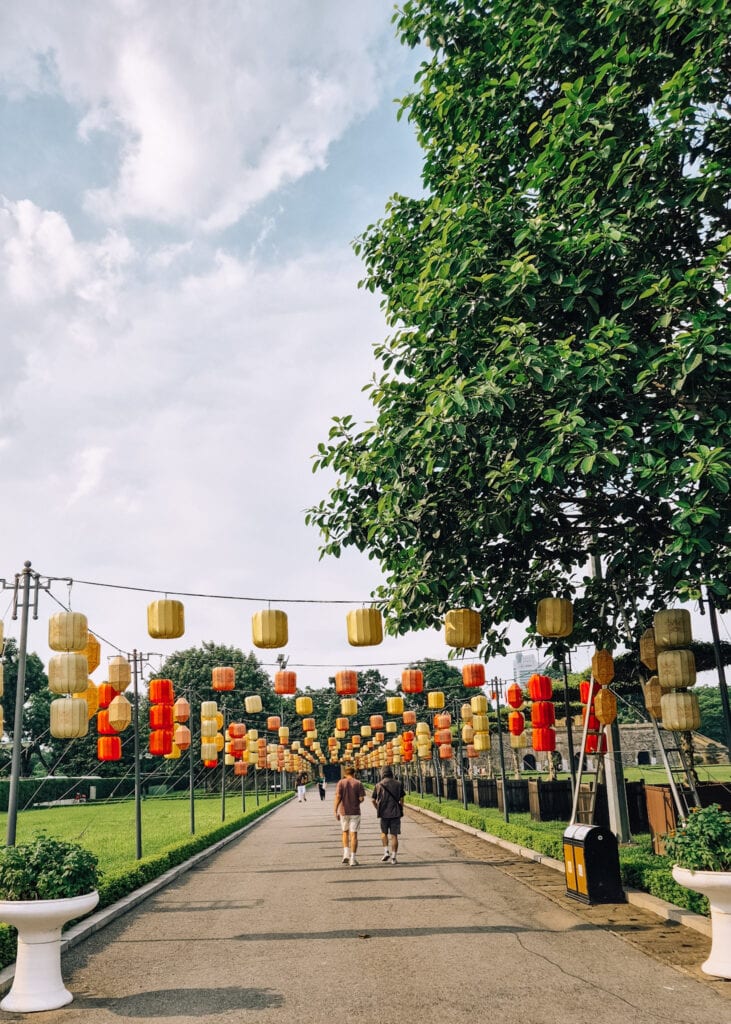
Get a glimpse into Vietnam’s imperial past and escape the hustle and bustle of Hanoi’s busy streets on a visit to the Imperial Citadel of Thang Long. Even though it’s one of the city’s (and Vietnam’s) most important historic landmarks and a UNESCO World Heritage Site since 2010, the Imperial Citadel in Hanoi is often overlooked by tourists. The good news is you won’t experience any crowds here. I visited on a random afternoon in July, and I had the place almost to myself.
The Imperial Citadel of Thang Long was the political heart of Vietnam for more than a thousand years, from ancient emperors to French colonial rule and modern wartime strategy.

Affiliate Disclosure:
This article may contain affiliate links. If you make a purchase through one of these links, I may earn a small commission at no extra cost to you. This helps support Heritage Wanderlust and allows me to keep creating free travel guides and helpful travel content.
I have collected UNESCO World Heritage sites for almost as long as I can remember, and thus make sure to check the list as part of my travel planning. However, since the Citadel is mentioned in so few guides and rarely part of any guided tours of the city, I don’t blame anyone for visiting Hanoi without even knowing it exists.
Why it is UNESCO-listed
The Citadel stands on the ruins of Dai La, an 11th-century royal capital from the time of the Ly Dynasty. But even before that, this area had military and administrative importance going back to the 7th century. What makes the site truly special is how many layers of history are found here.
For over 1,300 years, the site served as the political centre of Vietnamese dynasties, and later, the French colonial administration. During the 20th century, it became a strategic base during the wars with France and the United States.
This mix of Vietnamese, Chinese, and French influences, seen in both the architecture and archaeological layers, is what gave the Citadel its World Heritage status in 2010. Read more on UNESCO’s website here.
While I love major World Heritage sites such as the Halong Bay and Hoi An, there’s something special about visiting the lesser known places. They are recognised as an important part of the world’s heritage for a reason.


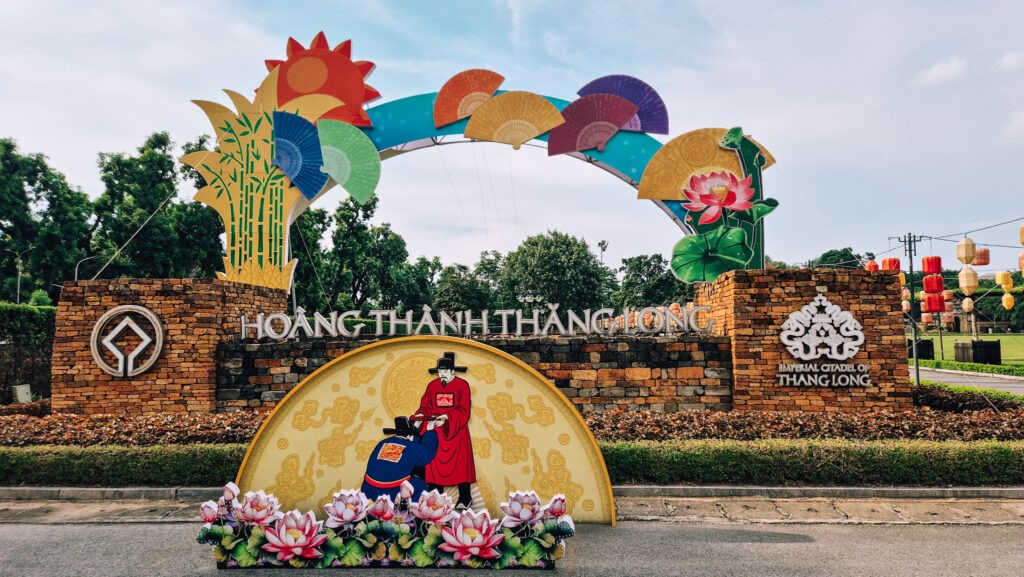
What to see inside the Citadel
The site is spread across a large area, with both restored structures and quiet gardens. It’s peaceful and easy to explore on your own, plus lots of space to roam for energetic kids if you’re travelling as a family. Here are some of the highlights:
The Flag Tower of Hanoi: One of the few ancient structures that survived French destruction. Today it stands tall as a symbol of national pride.
Kinh Thien Palace Foundation: Once the central throne hall of the royal complex. Though the palace is gone, you can still see the impressive dragon staircases and elevated stone platform.
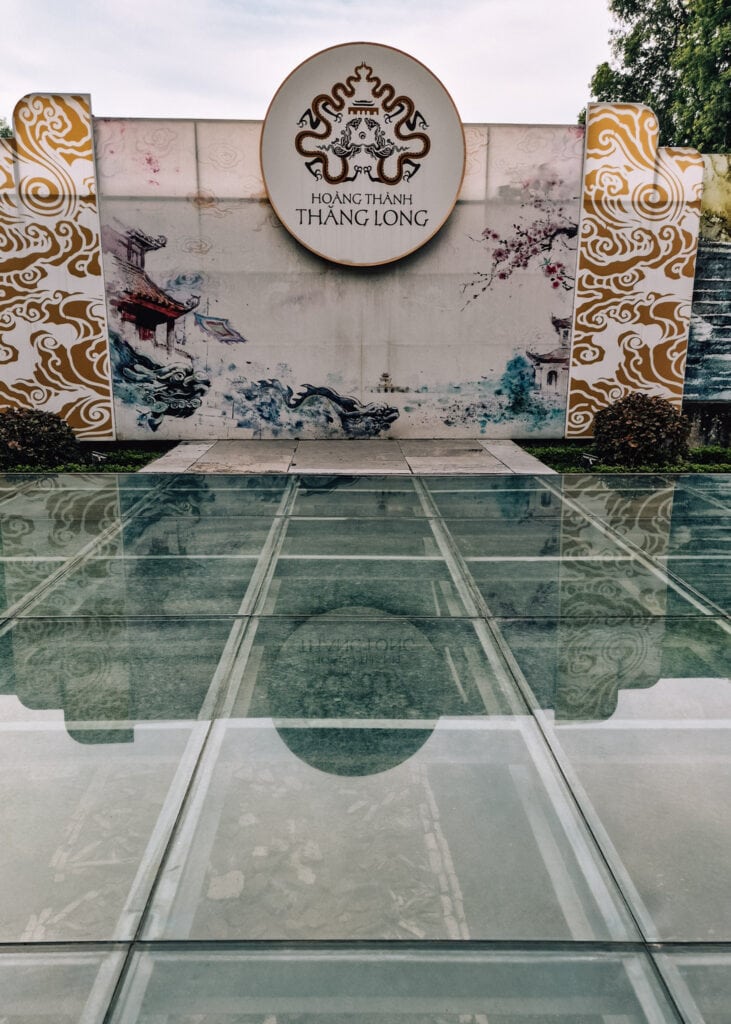
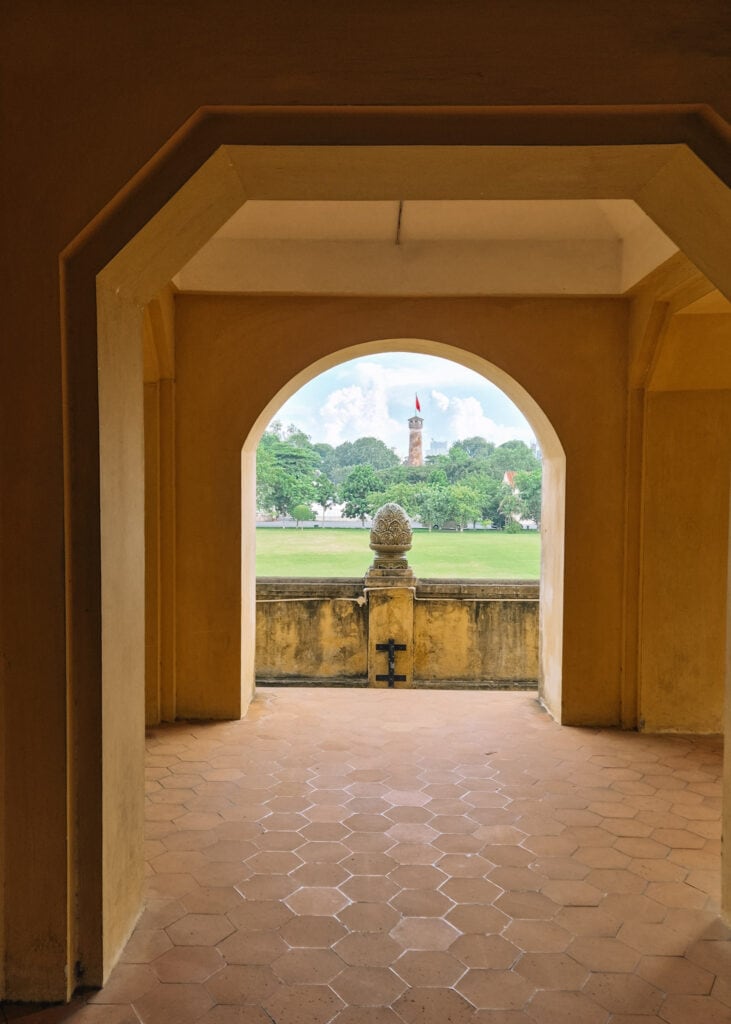
Underground War Bunkers: Beneath the grass are secret command bunkers used during the Vietnam War. You can walk through some of the preserved tunnels and see old equipment and maps.
Archaeological Site: Excavations are still taking place in the Citadel of Thang Long, and you can get a peek into the centuries-old foundations. You also find another archeological site across the street.
If you enjoy photography, architecture or military history, this site offers a rare combination of all three.
While in Hanoi, make sure to try some tasty street food and indulge in the phenomenal coffee!
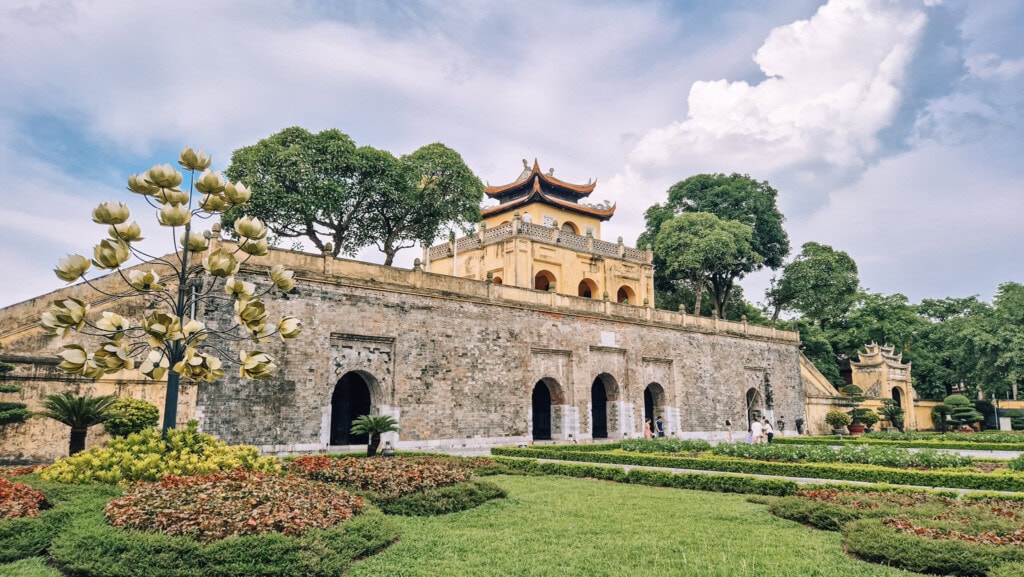
Practical information
Opening hours:
Daily from 8:00–17:00 (last entry around 16:00).
Entrance fee:
Tickets for adults cost VND 100,000 per person (about € 3,2) in 2025. Children under 16 get free admission, while students and seniors with valid ID can get 50% discount.
What to wear:
The Imperial Citadel in Hanoi is a formal place, and as respect, you should wear clothes that cover your knees and shoulders.
How to get there:
The main entrance is at 19C Hoang Dieu Street. Approx. 20 minutes’ walk from the Old Quarter, or a short Grab ride. It’s also a stop on the Hanoi Hop on Hop off bus.

Guided vs. self-guided:
Like in most Vietnamese UNESCO World Heritage Site, there’s not much signage, so a local guide can be helpful if you want to learn more. I didn’t find many guided tours of the Imperial Citadel in Hanoi and was not offered one when I purchased my ticket, but I know Hanoi Kids offer tours there based on tip. Unfortunately, they didn’t have capacity on the day of my visit.
If you can’t get a guide, it’s also nice to just wander at your own pace, like I did.
How much time do you need:
Set aside 1 to 2 hours to explore both the main citadel and the archaeological site across the street.
Night Tour at the Thang Long Citadel:
If you’re there on a Friday or Saturday, check out the Night Tour of the Citadel. It starts at 19:00 and cost VND 300.000 (discounts for children up to 12). In addition to a guided tour, there are art performances, light shows and more. I’d really like to experience this one day!

Why a visit to the Imperial Citadel in Hanoi is worth it
The Imperial Citadel in Hanoi doesn’t have the busy energy of the Old Quarter or the instant wow-factor of the Train Street. But that’s also the point.
It’s one of the least visited UNESCO sites in Vietnam, unlike famous places like Hue and the Trang An complex in Ninh Binh, and it remains surprisingly peaceful. So wether your just looking for a beautiful, quiet place to relax for a bit, or want understand Vietnam’s history better, the Imperial Citadel of Hanoi deserves a spot on your itinerary.
Want more offbeat UNESCO tips in Vietnam? See my guides to Hue, My Son Sanctuary, and best things to do in Ninh Binh.


