


Responsible tourism for dummies: 11 ways to be a more responsible traveller
The tourism industry is one of the fastest growing industries in the world and is what we can call a two-edged sword. On one side it can benefit local communities by creating jobs and steady incomes for people where they live. Travelling can also teach us about culture and make us more tolerant to others. On the other hand, places can be over-crowded in such an extent that local people feel squeezed out of their hometown. And who isn’t feeling at least a bit guilty every time they board an airplane?
So, what can you do to become a more responsible traveller and at the same time enhance your holiday?
Since I did my post-grad degree in Responsible Tourism Management back in 2009/10 when it was still a small niche, I’m happy to finally see some change. According to Booking.com’s 2023 Sustainable Travel Report, 80% of the respondents claimed that traveling more sustainable is important to them. And 53% responds that news about climate change has made them take more action.
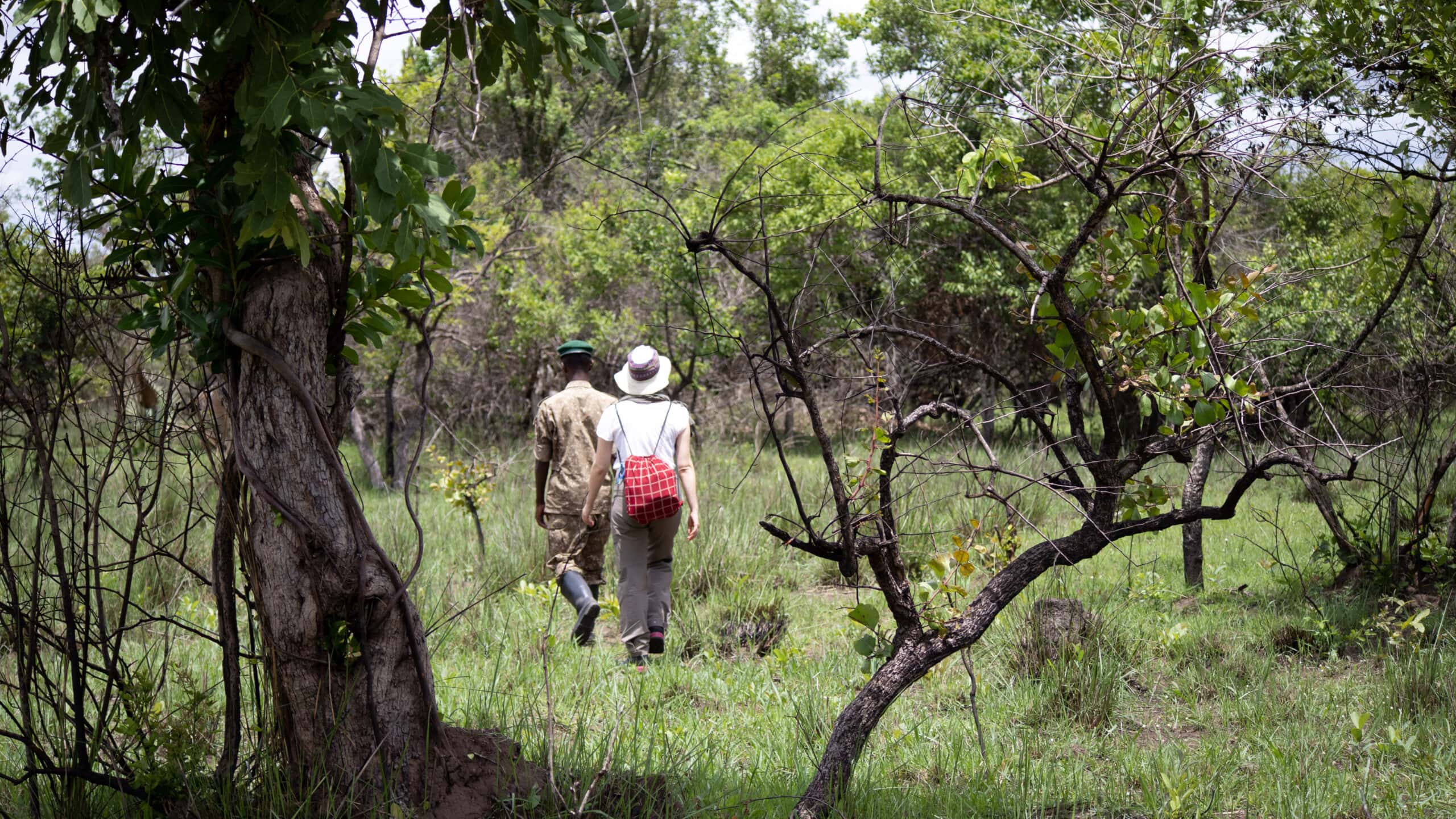
So, what is stopping us? The same study finds that almost half of us believe that travelling sustainable is too expensive and nearly as many want tips on how to be a more responsible traveller on a budget.
Despite the good intent, most of us, me included, wants our money to go as far as possible in terms of travel experiences. Continue reading to find my 11 best tips on how to do exactly that!
But, shouldn’t we all just stop flying?
Flying gets a lot of negative coverage more or less all over the place. In Norway, there even is a word for feeling guilty about flying: flyskam. I’m not going to say that flying isn’t negative to the environment and climate, but I will argue that to stop flying all together isn’t necessarily just positive.
The pandemic gave us wakeup calls in many ways. Those of us working in the tourism industry got hit hard when the whole world suddenly stopped travelling. But som got hit harder than others. While I live in Norway where daily allowances was paid to all who were laid off, businesses got loans from the state to push through, and Norwegians had money to spend as soon as domestic travel were allowed. That certainly wasn’t the case everywhere.

What happens to communities and conservatory projects dependent on income from tourism in countries not as fortunate as Norway if we all stop travelling overseas?
A good example from Uganda
I got some valuable insights into that on my visit to Uganda just as the world started to open up in April 2022. In Bwindi Impenetrable Forest, for instance, where the majority of the world’s mountain gorilla population lives, they couldn’t just close everything and make the staff go home. For almost two years without any income, they managed to keep guards and trackers at work. They were following and keeping an eye on the gorilla families to protect them from poachers and keep them familiarized to humans.
This isn’t in the Ugandan mountains, poachers are a real threat to wildlife across the globe. Many of the local guards, trackers and guides are also people who used to be pouchers, but have been re-educated to work in the tourism industry to earn money instead of shooting and selling animals. What will happen if there isn’t more money to gain from tourism?
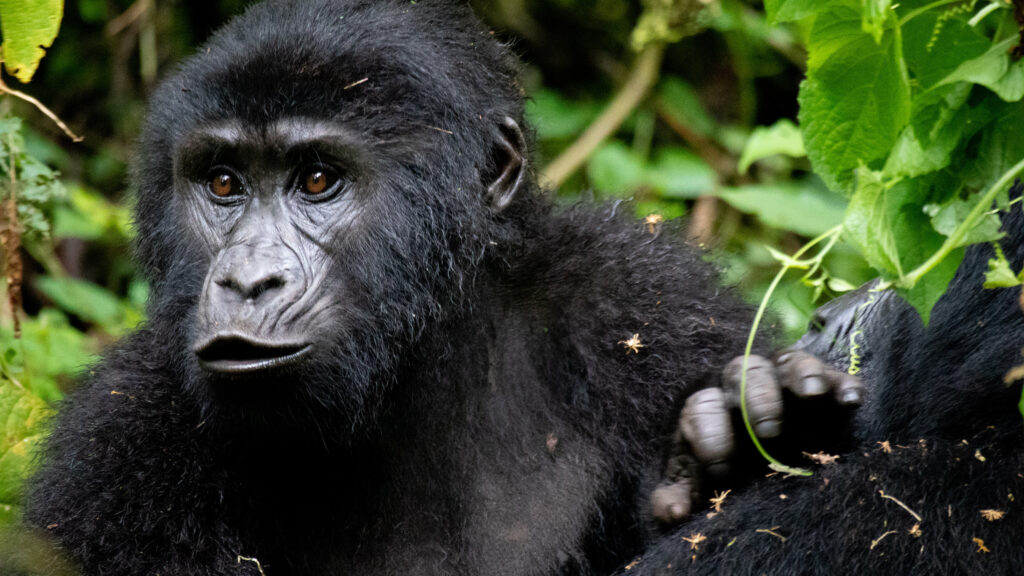
I’ll just leave that question up there for you to think about, while I also want to mention the importance travelling has to widen people’s horizon. Meeting people and learning about other cultures are just as important today as it once were in terms of getting rid of prejudices.
What is responsible tourism?
Responsible tourism is based on 3 equally important pillars:
- Environmental sustainability
- Social sustainability
- Economic sustainability
To make them easier to remember, they are also named Planet, People and Profit. The 3Ps.
All of these three principles need to be taken into account when talking about responsible or sustainable tourism. Not only the environment. I really like the UNWTO’s definition: “tourism that takes full account of its current and future economic, social and environmental impacts, addressing the needs of visitors, the industry, the environment and host communities”.
Making better places for people to live in, and better places for people to visit
definition of responsible tourism
Environmental sustainability means that we must protect the local (and global) environment, as well as preserving natural resources.
Social sustainability is to promote the well-being of the local people and communities, in terms of i.e. equality, politics, economy, and access to resources.
Economic sustainability should not be confused with just a business’ economy, but rather long-term economic activities that benefits all stakeholders. This includes employment and other opportunities for earning an income for the local community.
Responsible tourism vs. sustainable tourism
Sustainable and responsible tourism means the same, but I prefer to use the term responsible. Why? Because it requires action. Not only by me as a traveller, but also by the tourism industry and politicians. I also believe it’s easier to green-wash* operations and products as sustainable than responsible. Like, when is tourism actually sustainable? If we go back to riding horses? Is riding long stretches sustainable for the horse?
When I got into this field of tourism, green, eco-tourism and geo-tourism was other much used terms. I’m glad they are fading out, as what do any of them really mean?
*Green-washing means that a business is marketing its products as more sustainable or responsible than they are.

How to be a responsible traveller
Now, lets have a look at some easy steps that all of us can make when travelling. Even though the tourism industry itself must do its share, we can all do something to make the places we visit better for people to live in. Believe it or not, I can almost guarantee that taking these steps will improve your holiday!
1. Stay longer
One way to reduce flying without stopping completely, is to take fewer but longer holidays. Instead of multiple shorter trips and weekend getaways throughout the year, plan a proper adventure! Go away for at least two weeks and learn to know the destination well.
Are you travelling for work? Extend the work trip instead of going away on a private trip a month later. You may even save the flight costs.

If possible, take the train instead of flying. Many countries got comfortable cars for overnight railway journeys. Personally, I’m hesistant on international train travel because of where I live. Western Norway is not the centre of the world, unfortunately. But going on business trips to Oslo, I go by rail 9.8 out of 10 times. I love the sence of calmess train gives me, contary to hasting to the airport, going through the security controls and boarding.
Are you travelling to a destination known for crowds, such as the UNESCO World Heritage listed cities Venice or Hallstatt? Stay for a few nights and go on excursions during the day. During my road trip in Central Europe, I had 5 nights in Hallstatt, and I can assure you it is a completely different town in the evenings compared to mid-day.
2. Eat, shop and stay at locally owned businesses
Spending your money locally is one of the most important things you can do to be a more responsible traveller. Have lunch and dinner different places around your destination, instead of booking all-inclusive. Has a buffet ever given you any great experiences? It may feel like a hassle if you are travelling with kids but try to remember you own childhood holidays. I, at least, loved going out to eat, even though I usually ended up with spaghetti with butter or pizza margherita. It was all about the joy of seeing something different and the people we met.

Do you really need that magnet and t-shirt that is made in China, and looks exactly the same in Crete as in Alanya just with other names? Buy your souvenirs at local markets and small boutiques. Find something that lasts, and that you want to use at home. I love buying leather items, jewellery and small, handmade purses or bags on my travels. Whatever you get, the important thing is that the money goes back to the local community. Also remember; if you can afford to travel, you can afford to be a fair bargainer.
Stay at smaller, locally owned hotels instead of large international chains. This way, more of the money you spend stays in the destination, instead of getting sent off to a big company abroad. If you feel like putting in a little extra effort, try to find out which hotel focus on local economic development, social development and/or the environment. In Marrakech, for example, I stayed at the wonderful Riad Coq Berber Fou, which although owned by an Italian lady, clearly looked after their local employees.
What about AirBnB, isn’t that responsible?
While an AirBnB apartment may be offered from a private, local person, it is not always the case. Apartment rentals for tourism purposes are one of the biggest reasons for increasing real estate prices in central areas. Often, companies buy apartments only for rental. This leads to normal people having to move out of the city due to the high rates.
Also, think about all the people a hotel employs. Even at an internationally owned hotel, quite a lot of locals earn their living there.
3. Use local guides
Booking a local guide is responsible in several ways. First, no one knows the local culture and history better than the ones who live there. In addition to learning the facts of the site you are visiting; a local guide will give you valuable local knowledge and answer the questions you may have about the destination.

Second, using a local guide benefits the local economy. So, next time you go on a package holiday, browse the local tour agencies and pick one that suits you instead of booking one of the package company’s excursions. I can almost guarantee you that you will find the exact same tours locally as what your holiday provider offers. Often to a lower rate and with the perk of having a local showing you around versus being guided with a you Western guide.
If you are worried about the quality of the tours and the guides? Check reviews on Tripadvisor and Google!
For brilliant examples of using local guides, read my articles from my incredible 14-days tour of Uganda, booked with Whitecrest Tours & Travel, and my overnight-trip to Ait Ben Haddou from Marrakech by Asara Morocco Tours.

4. Save water and electricity
Many of us are spoiled with a steady waterflow. At home it doesn’t occur to me to turn the water off when shampooing or brushing my teeth. But water levels in western Norway cannot be compared to dryer climates further south on the planet.
An easy hack that most people now are aware of is hanging your towels up after use. You do not need to get them changed every day. Another small, yet valuable thing you can do is turn off the shower in-between shampooing and rinsing. And the same goes for the tap when brushing your teeth.

Electricity is something else many of us takes for granted. In Norway, it’s only in the last few years when we’ve even started talking about saving electricity because it’s been so cheap. Even if you are on holiday, don’t be that person who lets the air-conditioning run all day when you’re not even in the room or let the lights on when you are out.
5. Be considerate when photographing people
Photography is an important part of travelling for many of us, and with the quality of today’s phones it’s easier than ever. We snap pictures and film our travel company, our food, the sunset, the landscapes and animals. And often, we find local people being really charming motives.
Usually that’s fine, just keep your wits about you. Rule no. 1 when taking pictures or filming people is to ask first. The worst that can happen is that they say no and you won’t get your shot, but at least you can say that you respected that person. Sometimes people ask for money in return. Well, I say just pay them. This mostly happens in touristy areas where they probably see cameras pointed in their direction all the time and we’re not talking about large sums. It’s a win-win situation – you get a genuine smile, and they get some cash.
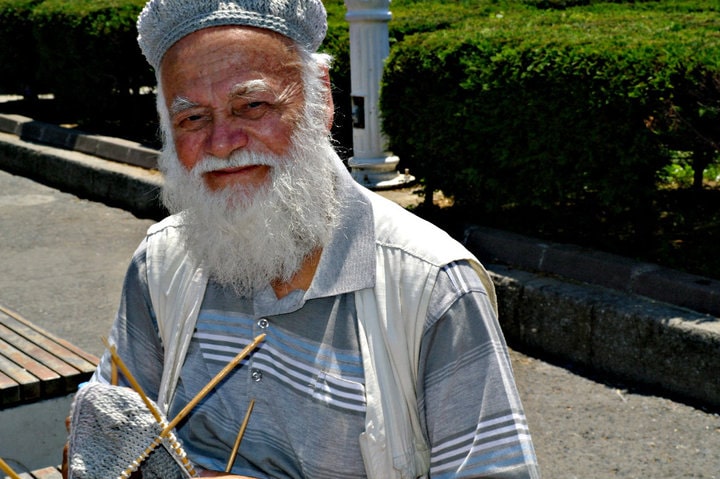
Are there any rules without an exception? I don’t think so. At least it’s true here. If asking first will completely ruin the natural situation in the motive, ask second. Take your photos and go over and show them after. If they don’t like it, delete it.
Another aspect of photography is sharing content on social media. Be mindful about the situation of the person you want to share a picture or film clip of. This is especially important when it comes to kids. We all have a responsibility to protect children in any way we can. My rule of thumb is to think about my nieces and nephews. Would I share the picture if it was them in the picture? Do the same exercise with kids close to you.
6. Respect other cultures
Always remember that you are a guest when you are travelling. Try to learn as much as you can about the destination before you go. That will make it easier to accept and respect differences that may appear.
Be up to date on cultural dressing codes and pack accordingly. In many countries outside Europe and Northern America, even in tourist hubs such as Thailand and Turkey, covering shoulders and knees is seen as respectful.

Did you know that you can get fined for walking around shirtless or in a bikini top in Italian city centres? Even in Europe, swimwear is meant for the beach and not for shopping and sightseeing.
As for religion, respect that people have different beliefs and different traditions. It’s ok to be curious and ask questions but remember – belief is belief. There is no right or wrong.
7. Keep to trails and leave only footprints
Hiking must be the most sustainable activity a traveller can do, right? Well. Yes and no. It’s true that walking doesn’t cause much harm to the environment. But we also need to think of the nature on its own terms. Keeping to the trails is essential, especially on popular routes, in order to reduce erosion. You have probably seen it, paths stretching out in all directions – looking more like a highway than the original single-track trail it was. One of the easiest things you can do is to stay on the path. Is there a small pond or a muddy patch? Try to jump across or just walk through it. If you have to walk around, try to step on rocks.
Another important piece of advice (that should be a no-brainer) is to bring your rubbish back with you. Are you a popular route, take even degradable stuff like for example banana peel – even though it will disappear, it takes a while, and it doesn’t look nice for the next one stopping there. If you choose to throw it away, try to hide it between rocks.

What about toilet paper? This a topic that has become very important around popular hiking destinations in Norway. Try to do your toilet business before you embark on the hike. If you must go in the mountains, it is the one time you should break the rule of sticking to the path. Go as far away from the path and any clear resting areas as possible, dig a hole, do your business and cover it up. Do not leave the toilet paper. Sometimes it’s safe to burn it, if not poop bags for dogs are great to store the paper in until you find a bin to throw it in.
Why so strict? Toilet paper takes long to degrade and is easily found by for example dogs. And I can assure you, having to pull a piece of brown paper out your dog’s mouth is not a pleasant experience… Talking about dogs, do not leave dog poop in the middle of the trail.
8. Respect signs and fences
Just because you are on holiday it does not mean you can do whatever you like. A responsible traveller respect signs and private property in the destinations they visit. Are you in doubt whether you are allowed to walk somewhere, find someone to ask. From my experience, you may benefit from asking just because people like to feel respected.
This point is highly important for free and wild campers. Even when visiting countries such as Norway and Sweden, where you have freedom to roam. The law may say that you can go and camp everywhere you like, as long as you are 150 – 200 metres away from a house. As an avid camper myself, I have seen a change with the vanlife boom in recent years. More and more “no camping” signs are put up on both private and public properties here. Why? Because the number of free campers now can in certain spot resemble what you find on a paid camp site. This in turn leads to farmers not being able to do their job, littering and so on.
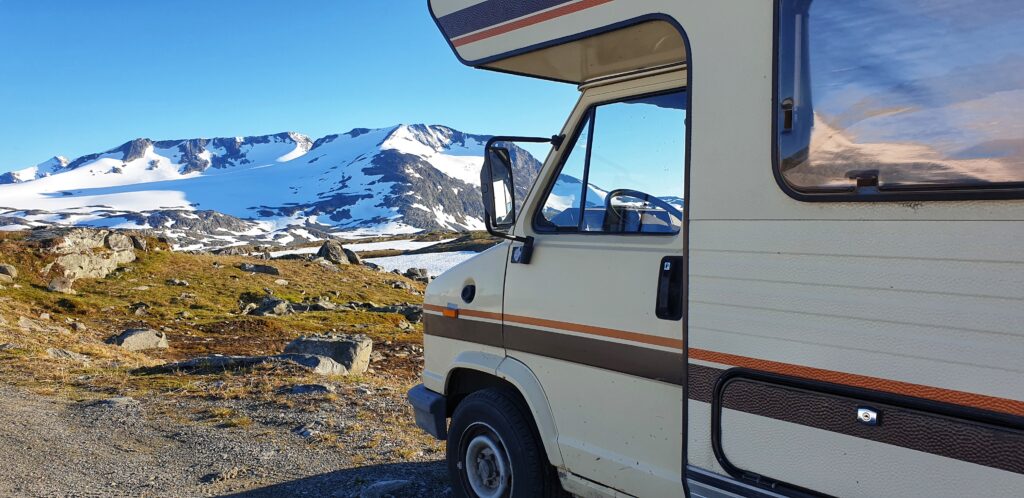
I love using apps like Park4Night for inspiration too, but do not trust it without consideration. And if you find a perfect camp spot that is not on the app, think twice before you add it. As soon as it’s on, it’s not unique and will be filled with cars parked way closer than what’s allowed on a camp site.
Did you also know that in Sweden you are not allowed to drive and park on grass outside of designated areas such as camp sites?
9. Do not give anything to kids (or animals)
When travelling, it can be heartbreaking seeing children begging. Other times, we can be charmed by waving, smiling kids. Both emotions may lead to a wish of handing them candy, money or other things. Still, try to avoid this as much as possible.
Begging, be it for candy, pens or money, keeps children away from school.
You can still bring clothes, school stuff like pens and pencils, and other things people need, but find an organisation or school to give it to instead of handing it directly to a child.

The same goes for animals. Although school isn’t an issue, they can get sick, aggressive or too accustomed to people. Why do you think many monkeys are aggressive and prone to stealing in crowded sights? They have been fed by tourists and want more of it…
Find out what you should do if you are bitten by an animal while travelling here.
10. Travel in shoulder and off season
To me, travelling in low or shoulder season is a win-win(-win) situation:
- Flights and accommodation are often cheaper
- The local community get business in a quiet time
- I get (local) experiences I wouldn’t have in a busy high season
High season in the Faroe Islands is June-August, but I visited in early April. My flight tickets were cheap, accommodation was cheap and the plane only half-full so within 20 minutes of landing we were already in our rental car. Yes, it rained a lot – but, when has the Faroe Islands been known for great weather and warm temps?
Stretching tourism season from just a few months a year is one of the most important aspects of responsible tourism. It means that instead of having temporary seasonal employment, people can have full-time jobs year-round with all the benefits that comes with that.
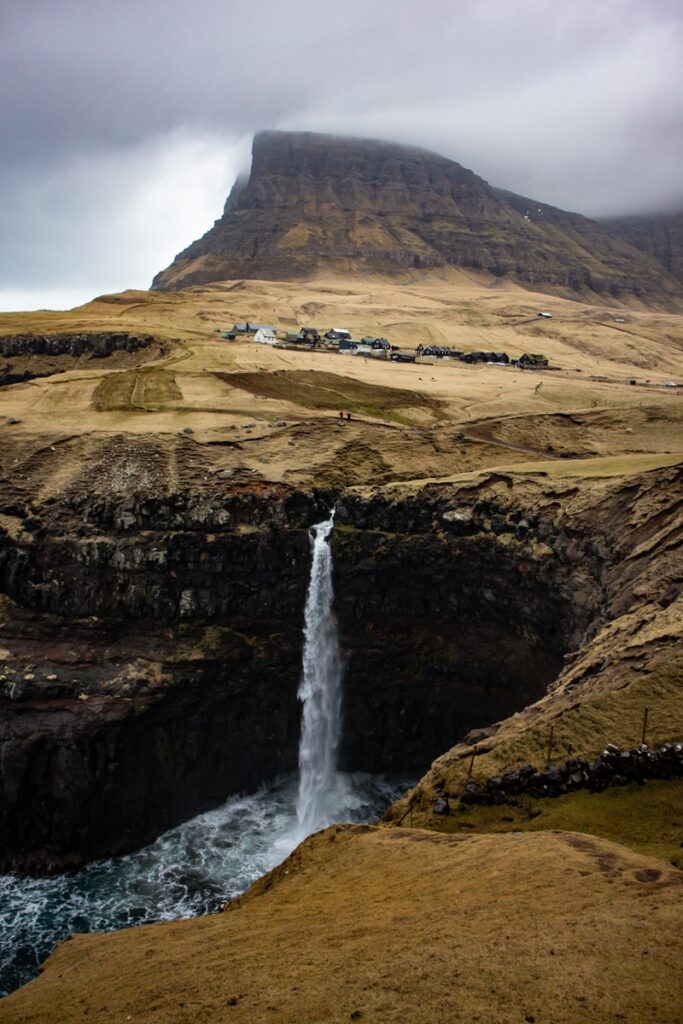
The weather may not be as great as in high season, but in some destinations, such as by the Mediterranean, shoulder season can actually be better. The temperature is pleasant but not scorching hot, and you don’t have to fight for a place by the pool or on the beach.
Travelling in off-season often means that people have more time to chat to visitors, and they are not tired of tourists in the same way as they can get in high season. This, combined with few other tourists, will give you a feeling of experiencing something unique.
Ps! Do some research before going and check that the destination of choice isn’t completely closed down.
11. Talk to people
My last tips on how to be a more responsible tourist is perhaps the most important one. And one that can lead to the best memories! This is when you get the great stories to tell everyone at home. You did not travel all that way just to talk to your friend, partner or family, did you?
One of the things I love the most about travelling solo is that it’s easier to connect with strangers. Asking for directions or a good place to eat may be all you need to start a conversation.
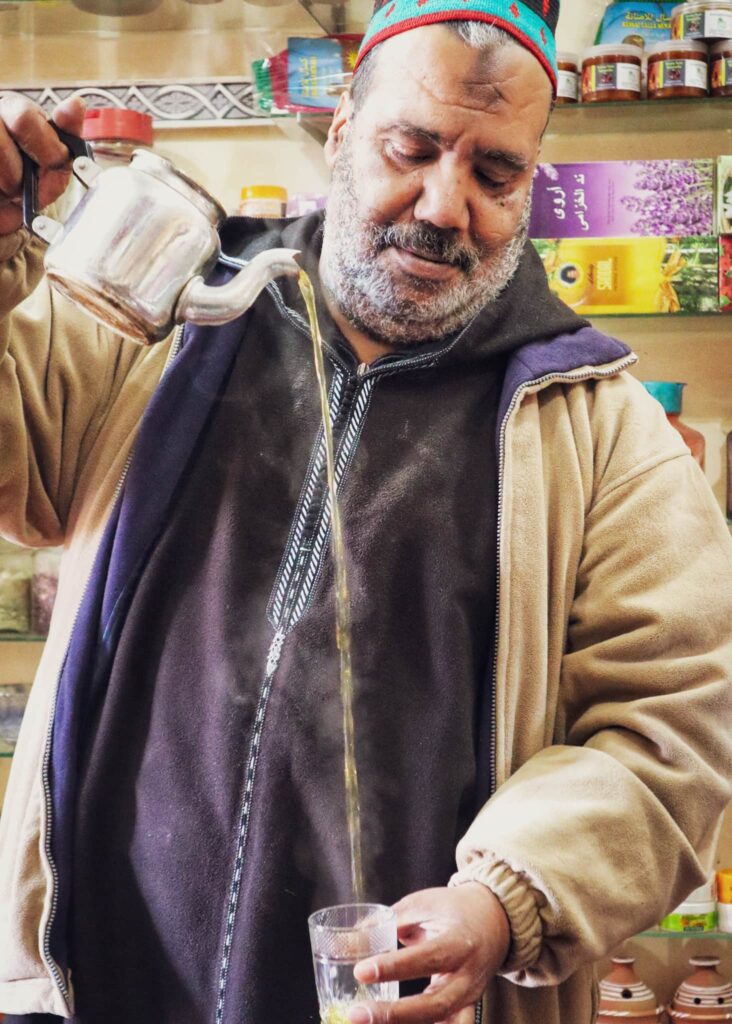
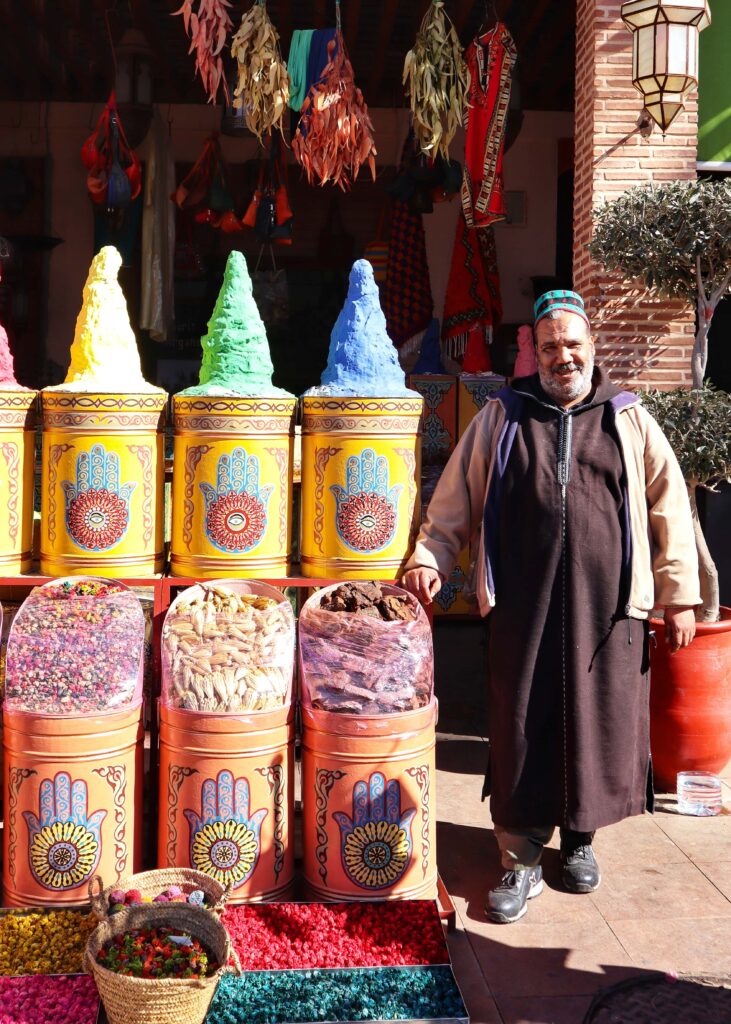
In Marrakech, I met Mustafa outside his shop and asked him a question about the colourful powder he had at display. It ended up with him inviting my father and I into his shop where he made us Berber tea and we chatted about Amazigh culture and life in Morocco vs Norway for half an hour. This is one of my single most esteemed memories from our 1 week travelling around Morocco.
Whether you are into culture, interested in religion, wondering about a local custom, wanting to learn how to pronounce something, intrigued by the taste of something, or something completely else: ask people you meet along your way! Just remember to be culturally tactful and respect that people have different views on things than you. Also, remember that politics can be a sensitive topic in some countries.

What do you gain from being a responsible traveller?
If you have read this far, I hope you have picked up a few tips on how you can make the world a little better while still being on holiday. Beyond the satisfaction of leaving a positive impact on the destination you visit, I hope that you also have understood that making conscious choices such as supporting local businesses and respecting traditions can make your travel experience richer.
Responsible travel opens doors to authentic cultural experiences. And engaging with local communities can turn into meaningful connections, offering insights into diverse ways of life. By respecting the environment, you preserve the natural beauty that drew you to each destination.
Let’s all continue to travel. To learn, to make friends, to make memories, and to make places better for people to live in.


I’m extremely impressed with your writing skills and
also with the layout on your blog. Is this a paid theme or did you customize
it yourself? Either way keep up the nice quality writing, it’s rare to see a nice blog like this one these
days.
Feel free to visit my blog :: John E. Snyder
Thank you, John! I’ve been a bit slow on writing lately, but getting back there now. I have customized the theme myself, it’s still not perfect but for now I should focus on getting some new posts out.