


Why Visit UNESCO World Heritage Sites?
Why visit UNESCO World Heritage Sites, when there are so many other fantastic places to discover? Are they not just overrated and packed with visitors?
Well, yes. Some of them can be crowded. Really crowded too at times. But there are good reasons to why so many people show up to these places. I have been collecting world heritage sites for over two decades now, and they have not only enriched my travel experiences but in many ways how I understand the world.
So, if there are any World Heritage sites at your next destination, pay a visit and see for yourself.

What is UNESCO and the World Heritage list?
UNESCO stands for United Nations Educational, Scientific and Cultural Organization. And as the UN, it was established just after the Second World War aiming to secure peace and to encourage international cooperation across education, science, culture, and communication.
The World Heritage List was founded in the 1970’s. In 1972, the “Convention Concerning the Protection of the World’s Cultural and Natural Heritage” was embraced by UNESCO’s General Conference, leading to the establishment of the UNESCO World Heritage Program. The program is overseen by the World Heritage Committee, which is made of 21 elected states. The program is aiming to curate and safeguard places of unique cultural and natural significance to humanity’s heritage. Today, it still stands as the world’s most respected cultural initiative, being ratified by no less than 195 nations.
The Galapagos Islands became the first place inscribed on the list in 1978, followed by 11 other sites including the Historic Centre of Krakow, Yellowstone National Park and the Rock-Hewn Churches of Lalibela in Ethiopia. The latest inscription happened in September 2023, when no less than 42 sites made it onto the sought-after list. All places are carefully selected based on 10 criteria. And are recognized as having significant cultural, historical, or natural value to humanity and the world, and for future generations to come.
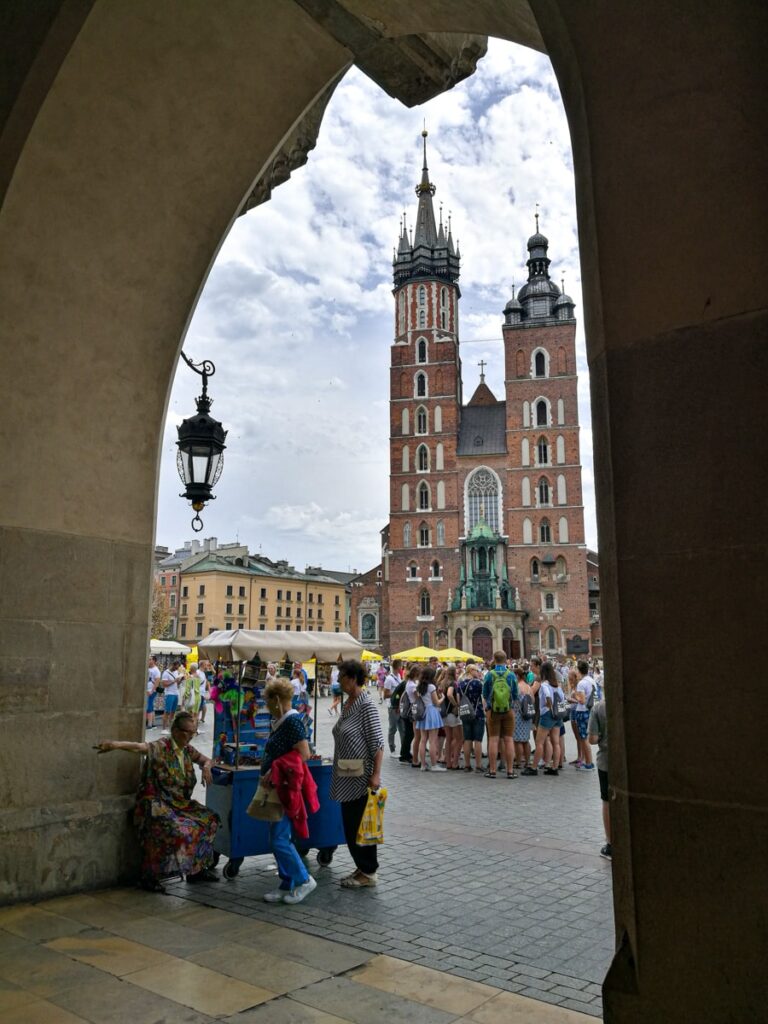
By visiting a UNESCO World Heritage site, you witness firsthand the importance of preserving our world’s most precious treasures. With more than 1.100 places, the variety is huge and not all places are as popular as some of the ones on my list of top 10 UNESCO World Heritage Site experiences.
What does it take to come on the list?
Since 1978, more than 1,100 places spread around more than 160 countries have been recognized as UNESCO World Heritage Sites. They can be everything from a building to an archipelago, but each one is unique and with its own story to tell. Some of the most famous include Petra in Jordan, the Taj Mahal in India and Machu Picchu in Peru. While on the other end of the spectrum, you have places such as Grimeton Radio Station in Sweden, the mining town of Røros in Norway and Cienfuegos in Cuba are some of the lesser-known.

To be considered for UNESCO World Heritage status, a site must meet one or more of 10 criteria set by the UNESCO World Heritage Committee.
They are selected based on their exceptional cultural, historical, and natural significance. This can be human creativity, cultural exchange, unique traditions and outstanding examples of architecture, technology and art. Such as Grimeton Radio Station in Sweden, Urnes Stave Church in Norway and Mostar Bridge in Bosnia and Herzegovina.
World Heritage sites may also highlight important moments in history and human interaction with the environment. Or be selected on their extraordinary natural beauty, geological features and vital ecological processes, including the protection of endangered species and their habitats. Great examples of this are the West Norwegian fjords in Norway and Bwindi Impenetrable Forest in Uganda.
5 good reasons to why you should visit UNESCO World Heritage sites:
If the fact that there “is a cause behind so many people visiting” isn’t enough to persuade you, continue reading for 5 important reasons to visit a World Heritage site.

1. Historical significance
highlighting preservation efforts. These sites are chosen for their cultural, historical, or scientific significance, representing exceptional human creativity and accomplishment. They provide insights into how cultures and civilizations have developed over time. And many offer a unique connection to the past, allowing you to walk in the footsteps of previous generations, understanding their lives and legacies. They also reveal the interplay of diverse cultures along ancient trade routes, showcasing their enduring influence on the modern world.
In essence, UNESCO World Heritage sites offer a unique opportunity to witness history, support preservation, and establish deeper connections to the past.
2. Cultural importance
World Heritage site offers more than just a visually stunning experience; it immerses you in a culturally rich history recognized for its significance to humanity. These sites are chosen for their exceptional universal value, reflecting diverse cultural influences and traditions. They become a symbol of blending different practices, fostering a deep appreciation for global cultural diversity. Furthermore, they promote inclusivity and cultural exchange, serving as meeting points for people from varied backgrounds to learn from one another.

UNESCO World Heritage sites are symbols of regional identity and cultural heritage, a source of pride and inspiration for local communities, and a means to share their heritage globally.
Hence, they offer a unique opportunity to embrace the cultural richness and diversity of different regions worldwide, promoting inclusivity, cultural exchange, and the preservation of heritage for future generations.
3. Natural beauty
World Heritage sites are renowned for their natural beauty, providing a window into the wonders of nature. Many sites feature exceptional landscapes that showcase breathtaking nature found nowhere else on Earth, such as the Trang An-complex in Vietnam, Great Barrier Reef in Australia and the Nærøyfjord in Norway. Each site offers a distinct perspective on the magnificence of nature, whether through unspoiled fjords with towering mountains or vibrant coral reefs.
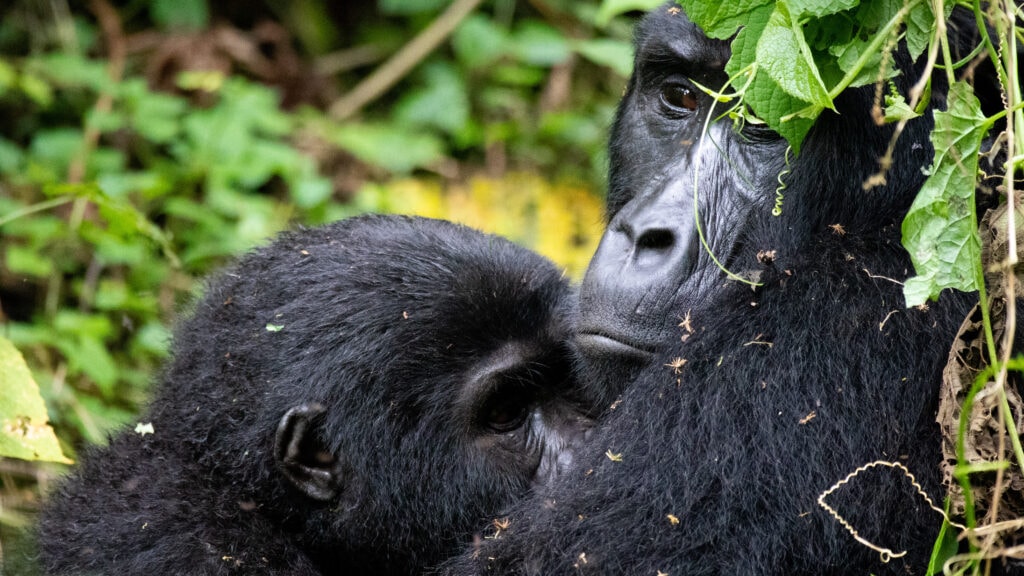
Additionally, many of these sites are vital biodiversity hotspots, housing diverse plant and animal species, some exclusive to these areas. Examples include the Galapagos Islands in Ecuador, Bwindi Impenetrable Forest in Uganda and Garajonay National Park on La Gomera in Spain. Visiting these sites allows you to witness some of the world’s most incredible creatures in their natural habitat, from giant tortoises to mountain gorillas, leaving a lasting impression.
Hence, visiting UNESCO World Heritage sites gives opportunities to immerse yourself in the natural beauty of the world, whether your interests lie in unique landscapes or biodiversity.
4. Educational Value
Exploring a World Heritage site is not just a nice experience; it’s an opportunity for learning and personal growth. The sites are inscribed on the UNESCO World Heritage list because of their extensive educational value. They provide a window into the past, allowing us to grasp the history and culture of different civilizations, from their architecture to art and customs. Many sites offer educational programs, guided tours, and the expertise of knowledgeable guides. What’s more, these sites are important for scientific research, enabling the study of natural evolution, flora, fauna, geological processes and valuable archaeological insights.

In summary, UNESCO World Heritage sites offer a diverse range of educational opportunities, whether your interests lie in history, nature culture or science.
5. Economic Impact
A lot of UNESCO World Heritage sites carry substantial economic significance, benefiting both the country they reside in and the local community. These places serve as major tourist attractions, drawing visitors worldwide to explore their historical, cultural and natural treasures. The resulting tourism growth strengthens the local economy, generating revenue from expenses like accommodation, dining, and souvenirs. And in that way, creates job opportunities and supports local businesses.

Additionally, the tourism industry contributes to government revenue through taxes, which can be channelled into infrastructure development, education and public services. Beyond tourism, the maintenance of these sites needs skilled labour, which further provides employment. UNESCO World Heritage sites also often stimulate the growth of secondary industries like agriculture, handicrafts and transportation, diversifying the local economy and reducing reliance on a single sector.
Visiting these sites has a positive economic impact, encourage revenue, employment and diversified economic activity, ultimately benefiting both the local and national economies.
Responsible tourism
Since many UNESCO World Heritage sites attracts large amounts of visitors, often are located within local communities where people live, and are fragile in terms of biodiversity or cultural heritage, being a responsible visitor is crucial.
A World Heritage site has been around for a long time, and we want it to stay that way, won’t we?

One way to be a sustainable traveller, is to adopt environmentally and culturally friendly practices, such as:
- Using public transportation or walking instead of driving
- Bringing refillable water bottles instead of purchasing disposable plastic bottles
- Avoiding littering and disposing of waste properly
- Staying in locally owned accommodations
- Supporting local businesses that focus on sustainability
- Participating in cultural events and activities
- Using local guides
- Purchasing souvenirs from local businesses
- Eating at locally owned restaurants
- Being respectful
- Interacting with local conservation or community projects.
- Visiting in shoulder or low season
Basically, what we want is to leave no trace other than money spent locally to make it easier for people to live there. Do you want more tips on how you can be a responsible traveller? See my guide to responsible tourism for dummies,

Conclusion: Why should you visit a UNESCO World Heritage Site?
Visiting a UNESCO World Heritage Site is not only a chance to see some of the world’s most beautiful and unique places, but it is also an opportunity to learn about the history and culture of a particular region.
By visiting these sites, I will argue that you can gain a deeper understanding and appreciation of the world.
Whether you are a history buff, a nature lover, or simply looking for a new adventure, be certain that there is a UNESCO World Heritage site that will appeal to you. From the ancient rock carvings in Tanumshede in Sweden to the stunning natural beauty of the Vinales Valley in Cuba, these sites offer something for everyone.
In addition to their cultural and natural significance, UNESCO World Heritage sites also play an important role in preserving our planet’s heritage for future generations. By visiting these sites and supporting their conservation efforts, you are helping to ensure that they will be around for years to come.
So why wait? Start planning your next adventure to a UNESCO World Heritage site today. You won’t be disappointed!


